
Before Committing to Orthodontics or Extractions, Get a Second Opinion
If you have been told that your child “needs braces,” it’s worth asking a few questions first:
- Are we just straightening teeth — or are we supporting healthy jaw growth, breathing, and long-term development?
- I had braces and needed to have my teeth straightened again later in life. Will this happen to my child?
- Why do some of their teeth need to be extracted?
Airway vs. Orthodontics
Many kids have crowded teeth not because they “have big teeth,” but because their upper and/or lower jaws didn’t grow wide enough. When the jaws are narrow, it can reduce the space for teeth and the space for the tongue and airway. Dr. Gorman evaluates airway + jaw development and, when appropriate, offers upper and lower expansion designed to create real space—so treatment is built on a healthier foundation.
Get a second opinion before you commit to orthodontics.
Contact Gorman Health & Wellness today before you move forward with braces.

Call 818.995.1891 or Complete the Form Now to Schedule a Consultation for Second Opinion Before Braces
Signs Your Child May Have Underdeveloped Jaws or a Narrow Airway

Parents often notice “little things” that don’t seem connected—until you look at jaw growth and breathing together. Common signs include:
Breathing & sleep signs:
- Mouth breathing (day or night)
- Snoring, noisy breathing, pauses in breathing, restless sleep
- Morning headaches, dry mouth, bedwetting (especially if it starts or returns)
Daytime signs that can look “behavioral”:
- Trouble focusing, failing grades
- Irritability
- Fatigue
- Hyperactivity-like symptoms
Dental & facial growth signs:
- Crowding early, narrow or “V-shaped” arches, high palate
- Crossbite, recessed jaw/chin, long/narrow facial pattern
- Grinding/clenching
- Malocclusion/crooked and crowded teeth
If you recognize several of these, it doesn’t automatically mean your child needs expansion—but it does mean they deserve a growth-and-airway-informed evaluation. Especially before teeth are extracted and orthodontic treatment proceeds. If your child’s orthodontist wants to pull teeth, stop right now and get a second opinion! Call today to be reassured that you are making the right decision.
Braces for Your Teeth May Be Unnecessary
- airway size and breathing patterns
- sleep quality and sleep-disordered breathing symptoms
- tongue posture and functional habits
- whether crowding is driven by skeletal underdevelopment
So if a child’s jaws are narrow, simply “making teeth fit” misses the underlying issue: not enough room in the jaw. This also means that crowding and malocclusion will come back in adulthood. Without proper jaw growth and airway expansion, your child may be facing a life of TMJ and Sleep Apnea. A second opinion can help you understand whether your child’s plan is addressing structure, not just alignment.
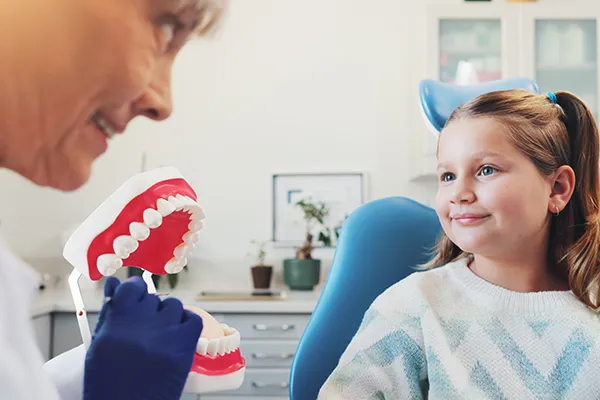
Orthodontics May Not Be the Answer to Straight Teeth

Gentle, Non-Surgical Expansion That Creates Space for Teeth and Breathing
- proper tongue posture
- nasal breathing support
- healthier spacing for teeth
What Parents Like About Early Expansion - and Dental Societies Agree
- More room for teeth (often reducing the need for extractions in appropriate cases) American Association of Orthodontists+1
- Child-friendly timing: expansion is typically considered while growth is still active American Association of Orthodontists+1
- Comfort-focused: expansion is generally well-tolerated; most kids describe pressure/tightness rather than “pain,” and it’s carefully monitored (every child is different)
- At the end of expansion, aligning your child’s teeth for a perfect smile.
Systematic reviews and recent studies indicate rapid maxillary expansion (RME) can improve nasal breathing and may reduce sleep-disordered breathing/OSA-related measures in children, though results vary, and evaluation should be individualized. ScienceDirect+2MDPI+2
Get a Second Opinion Before You Start Orthodontics
Before you sign a contract or begin braces, get clarity on what’s driving your child’s crowding and bite issues.
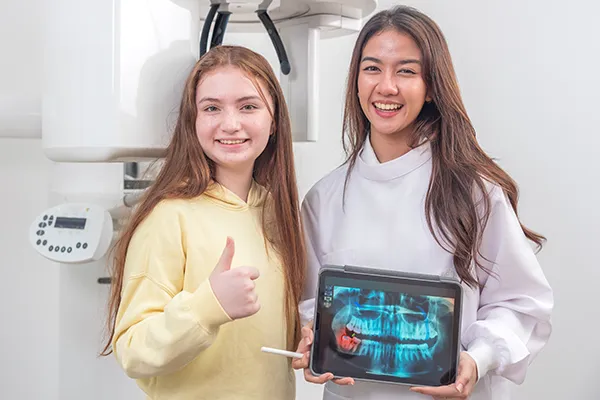
Call 818.995.1891 or Complete the Form Now to Schedule a Consultation for Second Opinion Before Braces
FAQ - Second Opinion Before Braces
Why should my child get a second opinion before braces?
Website Administrator2026-01-13T17:04:27-08:00- Whether treatment is needed right now (or if waiting is better)
- Which options exist (braces, aligners, phased treatment, growth guidance, etc.)
- How complex the case really is
- Whether the plan is conservative and appropriate for your child’s age, growth stage, and long-term stability
Is a second opinion common in orthodontics?
Website Administrator2026-01-13T17:05:44-08:00Yes. It’s very common—especially for parents. Orthodontic plans can differ based on clinical philosophy, timing, growth predictions, and the provider’s approach. Getting another perspective is a normal part of making an informed healthcare decision.What kinds of things can differ between orthodontic opinions?
Website Administrator2026-01-13T17:06:12-08:00- Timing (start now vs. wait)
- Treatment type (braces vs. aligners; one-phase vs. two-phase)
- Whether teeth need to be removed (extractions) or alternatives exist
- Use of expanders or growth appliances
- Estimated treatment length
- How much “cosmetic” vs. “functional” correction is being planned
- Long-term stability and retention strategy
Does a second opinion mean we don’t trust the orthodontist we saw?
Website Administrator2026-01-14T10:00:05-08:00Not at all. It means you’re doing due diligence for your child. Most orthodontic providers understand that parents want to feel certain before starting a multi-year treatment that affects growth, comfort, finances, and long-term dental health.When is a second opinion especially important?
Website Administrator2026-01-14T10:06:04-08:00- You were told your child needs extractions
- The plan feels aggressive, or you feel rushed
- You were given multiple appliances, and you’re not sure why
- The quote is high, and you want to understand what’s truly necessary
- You received conflicting guidance from different providers already
- Your child has airway/sleep concerns, mouth breathing, or frequent congestion
- You’re unsure whether the issue is cosmetic, functional, or both
My child’s teeth look crowded—does that automatically mean braces now?
Website Administrator2026-01-14T10:06:35-08:00Not always. Crowding can be influenced by growth, spacing changes, and eruption patterns. In some cases, early intervention helps; in others, it’s better to monitor and start at the ideal time. A second opinion can clarify whether treatment now improves outcomes—or simply starts the clock earlier than necessary.What age should kids be evaluated for orthodontics?
Website Administrator2026-01-14T10:15:58-08:00Many children benefit from an orthodontic screening in early grade school years, but screening doesn’t automatically mean treatment. The real question is timing: is there a reason to intervene now, or is it better to wait until more permanent teeth erupt and growth patterns are clearer?What is “Phase 1” orthodontics, and do all kids need it?
Website Administrator2026-01-14T10:16:15-08:00- What problem Phase 1 is intended to solve
- What happens if you wait
- Whether Phase 1 reduces time/complexity later, or simply adds an extra phase
We were told our child needs an expander. How do we know if that’s truly necessary?
Website Administrator2026-01-14T10:18:32-08:00- Whether the jaw/palate width is truly the limiting factor
- Whether expansion is age-appropriate right now
- What the goals are (space creation, crossbite correction, bite improvement)
- Alternatives and expected stability
The orthodontist recommended removing teeth (extractions). Should we be worried?
Website Administrator2026-01-14T10:18:53-08:00- Whether extractions are the only path, or one of several options
- Whether expansion, reshaping, or different mechanics could work
- The expected impact on facial profile, spacing, and long-term stability
- Risks of crowding relapse if space isn’t created appropriately
Could my child do clear aligners instead of braces?
Website Administrator2026-01-14T10:19:21-08:00- Whether aligners are realistic for your child’s situation
- The pros/cons versus braces for that specific case
- Whether a hybrid approach might be better
How do we know if the recommended plan is “too much” or “too soon”?
Website Administrator2026-01-14T10:24:31-08:00- There’s no clear explanation of “why now.”
- The goals sound mostly cosmetic, but the approach is complex
- The plan includes multiple appliances without a clear sequence
- You’re told “this is the only way” without discussing alternatives
- A second opinion helps separate what’s essential from what’s optional.
What if we already paid a deposit or signed paperwork with another orthodontist?
Website Administrator2026-01-14T10:29:16-08:00You can still get a second opinion. It’s better to confirm now than to regret later. Many offices can explain what steps to take next and help you understand your options moving forward.What should I bring to a second opinion appointment?
Website Administrator2026-01-14T10:29:47-08:00- Any orthodontic treatment plan summary and cost estimate
- X-rays/3D scans/photos (or ask the other office to send records)
- Notes about your child’s concerns (crowding, bite, speech, habits, discomfort)
- A list of questions you want answered clearly
What happens during a second opinion visit?
Website Administrator2026-01-14T10:38:38-08:00- A clinical exam and bite evaluation
- Review of records (if available)
- A clear explanation of what’s happening now and what to watch for
- Options for treatment timing and approach
- A chance to ask questions without pressure
Can a second opinion help if my child has jaw clicking, headaches, or bite discomfort?
Website Administrator2026-01-14T10:43:27-08:00It can help guide the conversation. Bite and jaw symptoms can have multiple causes. A second opinion can clarify whether orthodontic treatment is likely to help, whether the symptoms should be evaluated separately, and what a responsible sequence of care looks like.What about mouth breathing or sleep concerns—does that affect orthodontic decisions?
Website Administrator2026-01-14T10:44:05-08:00Sometimes it can influence evaluation and planning. If you’re noticing mouth breathing, snoring, restless sleep, or chronic congestion, it’s worth mentioning. A second opinion can help determine whether additional evaluation is appropriate and whether the orthodontic plan considers overall function—not just tooth alignment.Is “cheapest” the goal when comparing opinions?
Website Administrator2026-01-14T10:45:50-08:00Not necessarily. The goal is best value and best fit: an appropriate plan, proper timing, clear rationale, and long-term stability. A plan that costs less but misses the real issue (or starts too early) can end up costing more over time.How many opinions should we get?
Website Administrator2026-01-14T10:49:49-08:00In most cases, one strong second opinion is enough. If recommendations are still wildly different—especially around extractions, expanders, or timing—getting a third perspective can be helpful.Will getting a second opinion delay treatment?
Website Administrator2026-01-14T10:50:08-08:00Usually not in a meaningful way. In fact, it can prevent bigger delays later if you start a plan that isn’t ideal and need to switch course.What are the red flags that I should definitely get a second opinion?
Website Administrator2026-01-14T10:50:44-08:00- Pressure to decide quickly
- Vague explanations (“because we always do it this way”)
- No discussion of alternatives or timing options
- A plan that feels mismatched to your child’s age/stage
- Recommendations that involve irreversible steps (like extractions) without a thorough explanation
What’s the biggest benefit parents report after getting a second opinion?
Website Administrator2026-01-14T10:52:49-08:00- What’s urgent vs. what can wait
- What’s optional vs. necessary
- Which approach fits their child best