
Comparing Sleep Apnea Treatments: CPAP, Oral Appliances & Lifestyle Changes
Sleep apnea is a common yet serious sleep disorder that affects breathing during sleep. It occurs when airflow is repeatedly blocked, causing breathing to stop and start throughout the night. These interruptions reduce oxygen levels in the blood and prevent the body from reaching deep, restorative stages of sleep. Many individuals with sleep apnea are unaware of the condition until a partner notices loud snoring, choking, or gasping sounds during sleep.
The most common type of sleep apnea is obstructive sleep apnea (OSA). This condition develops when the muscles in the throat relax too much, allowing soft tissues such as the tongue and soft palate to collapse into the airway. As a result, breathing temporarily stops until the brain signals the body to wake up and resume airflow. Over time, untreated sleep apnea can lead to chronic fatigue, memory issues, mood changes, high blood pressure, heart disease, diabetes, and an increased risk of accidents due to daytime sleepiness.
Fortunately, sleep apnea is highly treatable. The most recommended treatments include CPAP therapy, oral appliance therapy, and lifestyle changes. At MGorman Dental, patients receive comprehensive guidance to understand how these treatments work and which option may be best suited to their individual needs. Understanding how these treatments compare can help individuals make informed decisions about their care.
Why Treating Sleep Apnea Is Essential
Sleep apnea does more than disrupt sleep. Repeated oxygen deprivation places stress on the cardiovascular system and increases inflammation throughout the body. Poor sleep quality also affects mental clarity, reaction time, and emotional regulation. Many people struggle with productivity, concentration, and overall well-being without realizing sleep apnea is the underlying cause.
Treating sleep apnea not only improves sleep quality but also reduces long-term health risks. Effective treatment can lower blood pressure, improve heart health, stabilize blood sugar levels, and significantly enhance daily energy and mood. Early diagnosis and consistent treatment play a critical role in preventing complications, especially when care is guided by experienced professionals committed to patient-centered treatment planning.
CPAP Therapy: The Most Effective Medical Treatment
- CPAP, or Continuous Positive Airway Pressure therapy, is widely recognized as the most effective treatment for moderate to severe obstructive sleep apnea.
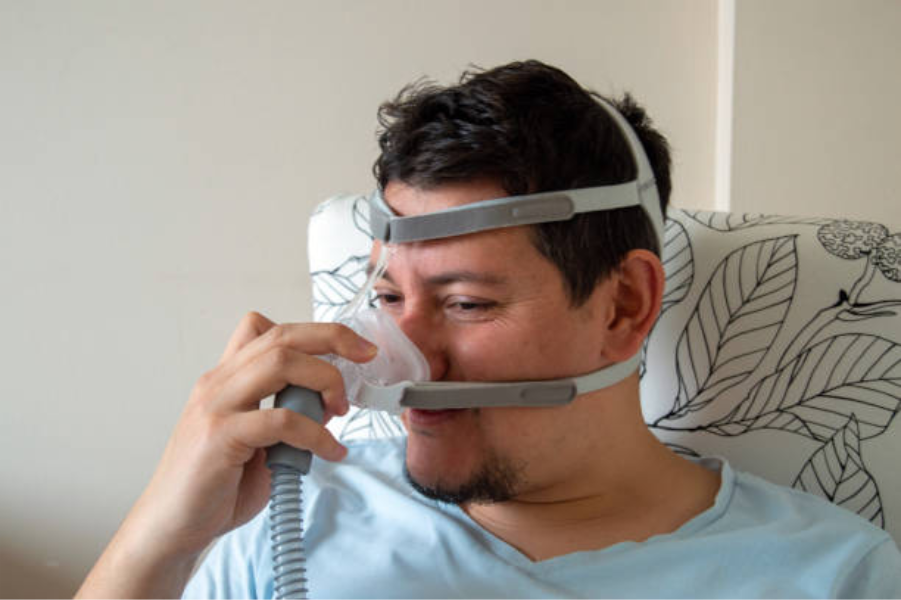
- It uses a small machine that delivers a continuous stream of pressurized air through a mask worn during sleep, helping prevent airway collapse and ensuring uninterrupted breathing throughout the night.
- CPAP works by creating positive air pressure that supports the airway even when throat muscles relax during sleep.
- Modern CPAP machines are designed for comfort and often include adjustable pressure settings, heated humidifiers, and multiple mask styles to accommodate different facial structures and breathing needs.
- One of the key advantages of CPAP therapy is its reliability. With consistent use, it can nearly eliminate apnea events and significantly improve sleep quality.
- Many users notice immediate benefits such as deeper sleep, reduced snoring, improved daytime alertness, and better concentration.
- Long-term CPAP use also helps reduce the risk of serious health complications associated with untreated sleep apnea.
- Despite its effectiveness, some individuals experience challenges with CPAP therapy, particularly during the adjustment period.
- Common concerns include mask discomfort, nasal dryness, skin irritation, difficulty tolerating air pressure, or feelings of anxiety or claustrophobia.
- Many of these issues can be addressed through proper mask fitting, pressure adjustments, and device customization.
- However, CPAP therapy requires consistent nightly use to remain effective, and low adherence can reduce its benefits.
- For patients who are unable to tolerate CPAP despite ongoing efforts, alternative treatment options may be considered.
Oral Appliance Therapy: A Comfortable and Convenient Option
Oral appliance therapy is an effective alternative for patients with mild to moderate obstructive sleep apnea or for those who cannot tolerate CPAP therapy. Oral appliances are custom-made dental devices worn during sleep and are often recommended as part of specialized sleep apnea and snoring treatment programs. They resemble mouthguards or orthodontic retainers and are designed to reposition the jaw or tongue to keep the airway open.
The most used oral appliances move the lower jaw slightly forward. This forward positioning helps prevent the tongue and soft tissues from collapsing into the airway during sleep. By maintaining an open airway, oral appliances reduce snoring and minimize breathing interruptions.
Many patients find oral appliances easier to use than CPAP. They are small, portable, and silent, making them particularly appealing for frequent travellers or individuals who prefer a less noticeable treatment. Because oral appliances do not require electricity or tubing, they are also easier to maintain.
Comfort is another major advantage. While there may be an initial adjustment period, many patients adapt quickly and find oral appliances comfortable enough for long-term use. As a result, compliance rates are often higher compared to CPAP therapy.
However, oral appliance therapy does have limitations. It is generally less effective than CPAP for severe sleep apnea. Some patients may experience temporary jaw discomfort, tooth sensitivity, or changes in bite alignment. These side effects are usually mild and manageable with regular dental follow-ups and device adjustments.
Success with oral appliance therapy depends on proper fitting and ongoing monitoring. Dental professionals with expertise in sleep medicine, such as those highlighted on the About MGorman Dental page, play an important role in ensuring the appliance remains effective and comfortable over time.
Lifestyle Changes: Supporting and Enhancing Treatment
- Lifestyle changes play an important role in managing sleep apnea and supporting long-term treatment success.
- While they are not usually sufficient as a standalone solution for moderate or severe sleep apnea, they can significantly reduce symptoms and enhance the effectiveness of CPAP or oral appliance therapy.
- Weight management is one of the most impactful lifestyle factors. Excess weight, especially around the neck and upper airway, increases the risk of airway collapse during sleep. Even modest weight loss can lead to noticeable improvements in breathing and sleep quality.
- Sleep position affects airway stability during sleep. Sleeping on the back can cause the tongue and soft tissues to fall backward and block the airway, while side sleeping may help keep the airway open and reduce apnea episodes for some individuals.
- Alcohol and sedative use can worsen sleep apnea by relaxing throat muscles. Avoiding alcohol in the evening and reviewing medication use with a healthcare provider can help improve nighttime breathing.
- Smoking contributes to airway inflammation and fluid retention, increasing airway obstruction. Quitting smoking can reduce these effects while also improving overall respiratory and cardiovascular health.
- Healthy sleep habits support better sleep quality and daytime alertness. Maintaining a consistent sleep schedule, creating a quiet and dark sleep environment, and engaging in regular physical activity can reduce fatigue and improve treatment outcomes.
- Lifestyle changes require ongoing commitment and consistency, and improvements may take time. However, when combined with medical or dental treatments, they can significantly enhance overall sleep apnea management and long-term results.
Comparing CPAP, Oral Appliances, and Lifestyle Changes
Each treatment option addresses sleep apnea in a different way. CPAP therapy directly prevents airway collapse and provides the most reliable results for moderate to severe cases. Oral appliances offer a more comfortable and convenient alternative for mild to moderate sleep apnea or CPAP intolerance. Lifestyle changes target contributing factors and improve overall health, supporting long-term treatment success.
The most effective treatment is not always the most aggressive option, but the one that a patient can use consistently. Comfort, lifestyle, and personal preferences all play an important role in treatment success.
Choosing the Right Treatment Approach
Selecting the right sleep apnea treatment requires a personalized approach. Severity of the condition is a key factor, but comfort, tolerance, and long-term adherence are equally important. Some patients may benefit from combining treatments, such as using an oral appliance alongside weight management and positional therapy.
A professional evaluation, including a sleep study, is essential to determine the most appropriate treatment plan. Regular follow-ups ensure that the chosen therapy continues to meet the patient’s needs.
Final Thoughts
Sleep apnea is a chronic condition, but it is highly manageable with the right treatment strategy. CPAP therapy, oral appliances, and lifestyle changes each play a valuable role in improving sleep quality and overall health. There is no single solution that works for everyone, and successful treatment depends on personalization, consistency, and ongoing care.
Addressing sleep apnea can transform not only sleep but also energy levels, mood, and long-term health. With proper guidance and commitment, restful sleep and improved well-being are achievable contact our team to take the first step toward effective sleep apnea treatment.
Frequently Asked Questions
1. What is the most effective treatment for sleep apnea?
CPAP therapy is considered the most effective treatment, especially for moderate to severe obstructive sleep apnea. It works by keeping the airway open throughout the night, preventing breathing interruptions and improving sleep quality.
2. Who is a good candidate for oral appliance therapy?
Oral appliance therapy is ideal for patients with mild to moderate sleep apnea or those who cannot tolerate CPAP therapy. These custom dental devices help keep the airway open by repositioning the jaw or tongue during sleep.
3. Can lifestyle changes alone cure sleepapnea?
Lifestyle changes alone usually cannot cure moderate or severe sleep apnea. However, weight management, sleep position changes, quitting smoking, and avoiding alcohol can significantly reduce symptoms and improve treatment outcomes when combined with medical or dental therapies.
4. How long does it take to see results from sleepapnea treatment?
Many patients notice improvements such as reduced snoring and better daytime alertness within days or weeks of starting treatment. Long-term benefits depend on consistent use and regular follow-up care.
5. How do I know which sleepapnea treatment is right for me?
The best treatment depends on the severity of your condition, comfort level, and lifestyle preferences. A professional evaluation and sleep study are essential for creating a personalized and effective treatment plan.
