
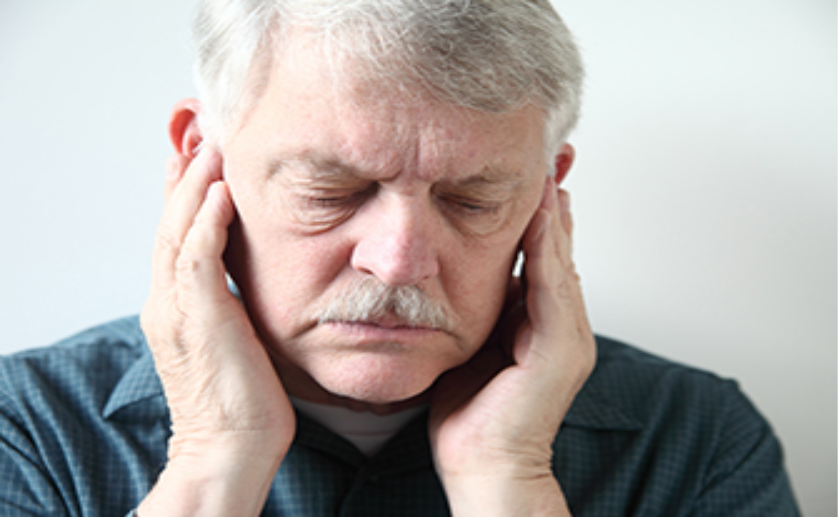
Jaw pain, clicking sounds when opening the mouth, and frequent headaches can sometimes indicate a problem with the temporomandibular joint. This joint connects the lower jaw to the skull and allows essential movements such as chewing, speaking, and yawning. When this joint becomes inflamed or strained, it can lead to a condition known as temporomandibular joint disorder, commonly referred to as TMJ or TMD.
Many people experience mild jaw discomfort at some point, but persistent symptoms may require professional evaluation. Understanding the warning signs of TMJ disorder and knowing how dentists diagnose and treat the condition can help patients find relief and restore proper jaw function.
Dental professionals at MG Orman Dental provide comprehensive evaluations and personalized care to help patients manage jaw pain and related symptoms effectively. With the right approach, most individuals can significantly improve jaw function and comfort.
Understanding TMJ Disorder
The temporomandibular joint acts like a sliding hinge that connects the jawbone to the skull. It allows the jaw to move smoothly when eating, speaking, or making facial expressions. Because this joint is used frequently throughout the day, it can become vulnerable to stress or misalignment.
TMJ disorder occurs when the joint or surrounding muscles become irritated or damaged. Several factors may contribute to this condition, including teeth grinding, jaw misalignment, arthritis, injury, or chronic muscle tension.
In many cases, TMJ symptoms develop gradually. Patients may initially notice minor jaw discomfort or clicking sounds that worsen over time. Early recognition of these signs is important because prompt dental care can help prevent the condition from becoming more severe.
Common Causes of TMJ Disorder
TMJ disorders often develop due to multiple contributing factors.
Common causes include:
- Teeth grinding (bruxism): Excess pressure on the jaw joint during sleep or stress.
- Jaw misalignment: When upper and lower teeth do not meet properly.
- Stress and jaw clenching: Muscle tension in the face and jaw.
- Arthritis: Inflammation in the jaw joint.
- Jaw injury: Trauma affecting joint movement or structure.
- Cartilage damage: Wear and tear in the cushioning disc of the joint.
Top Symptoms of TMJ Disorder
TMJ disorders can produce a wide range of symptoms, and some patients may experience several of them at the same time. Recognizing these symptoms early can help individuals seek dental care before the condition worsens.
Jaw Pain and Tenderness
Persistent jaw pain is one of the most common signs of TMJ disorder. Patients may feel discomfort in the jaw joint itself or in the surrounding muscles.
The pain can range from mild irritation to severe soreness and may become more noticeable when chewing, talking, or opening the mouth wide. Some patients also experience tenderness around the jawline or near the ear.
Clicking or Popping Sounds
Many people with TMJ disorders notice clicking, popping, or grinding sounds when they open or close their mouth. These noises occur when the joint moves improperly or when the cushioning disc inside the joint shifts out of position.
While occasional clicking may not always indicate a serious problem, frequent or painful sounds should be evaluated by a dental professional.
Difficulty Opening or Closing the Mouth
TMJ disorder can sometimes limit jaw movement. Patients may feel stiffness or resistance when attempting to open their mouth fully.
In more severe cases, the jaw may temporarily lock in an open or closed position. This condition can make everyday activities such as eating or speaking difficult and uncomfortable.
Facial Pain and Muscle Fatigue
The muscles surrounding the temporomandibular joint work together to control jaw movement. When these muscles become overworked or inflamed, patients may experience facial pain or fatigue.
This discomfort can extend to the cheeks, temples, or neck, making it difficult to determine the exact source of the pain.
Frequent Headaches
Headaches are another common symptom associated with TMJ disorders. The tension created by strained jaw muscles can spread to nearby areas, leading to persistent headaches or migraine-like discomfort.
Some patients notice headaches that occur primarily in the morning, which may indicate nighttime teeth grinding.
Ear Pain or Pressure
Because the temporomandibular joint is located close to the ears, TMJ disorders can sometimes cause ear-related symptoms. Patients may feel ear pain, pressure, or a sensation of fullness in the ear.
These symptoms are often mistaken for ear infections, but dental evaluation may reveal that the jaw joint is the underlying cause.
Difficulty Chewing
TMJ disorder can make chewing uncomfortable or painful. Patients may feel that their bite is uneven or that their jaw becomes tired quickly while eating.
This symptom can interfere with normal eating habits and may lead individuals to avoid certain foods that require more chewing.

How Dentists Diagnose TMJ Disorder
Proper diagnosis is essential for determining the most effective treatment plan. Dentists typically begin with a thorough examination of the jaw joint and surrounding muscles.
During the evaluation, the dentist may check how the jaw moves when opening and closing, listen for clicking or popping sounds, and gently press on the jaw muscles to identify areas of tenderness.
Dental imaging such as X-rays or other scans may also be recommended to examine the joint structure more closely. These images help dentists detect issues such as joint damage, arthritis, or misalignment.
In some cases, the dentist may also review the patient’s dental history and ask about habits such as teeth grinding, jaw clenching, or previous jaw injuries.
Patients looking for professional TMJ treatment options can benefit from a comprehensive dental evaluation to determine the most appropriate care plan.
How Dentists Treat TMJ Disorder
Treatment for TMJ disorder depends on the severity of the condition and the underlying cause. Many patients benefit from conservative treatments that reduce stress on the jaw and promote healing.
Oral Appliances for TMJ Relief
One of the most common treatments for TMJ disorders is the use of a custom dental appliance. This device is typically worn while sleeping and helps reduce pressure on the jaw joint caused by grinding or clenching.
Oral appliances help stabilize the jaw and improve bite positioning. By reducing strain on the temporomandibular joint and surrounding muscles, many patients experience relief from jaw pain, tension, and discomfort.
Bite Adjustment
If TMJ disorder is caused by an uneven bite, the dentist may recommend bite adjustment procedures. These treatments focus on correcting the alignment of the teeth so the jaw can move more naturally.
Improving bite alignment helps reduce stress on the temporomandibular joint and prevents excessive pressure on the jaw muscles during everyday activities like chewing and speaking.
Stress Management and Muscle Relaxation
Stress and muscle tension can often contribute to jaw clenching and TMJ discomfort. Dentists may recommend stress management techniques to help reduce strain on the jaw muscles.
Helpful approaches may include:
- Relaxation techniques
- Jaw stretching exercises
- Physical therapy recommendations
- Lifestyle adjustments to reduce muscle tension
These methods help improve jaw flexibility and reduce pressure on the temporomandibular joint.
Pain and Inflammation Management
For patients experiencing discomfort, temporary pain management options may be recommended to help control symptoms while the jaw heals.
These may include:
- Anti-inflammatory medications
- Pain relief treatments
- Warm or cold compress therapy
- Short-term symptom management under dental supervision
These methods help reduce inflammation and improve comfort during recovery.
Advanced TMJ Care
In cases where TMJ symptoms persist despite conservative treatments, more advanced dental care may be considered.
Dentists may work with specialists to evaluate the jaw joint and determine the most appropriate treatment for severe joint dysfunction or structural issues.
However, most TMJ cases respond well to conservative care and ongoing dental monitoring.
Preventing TMJ Symptoms
Preventing TMJ disorder often involves reducing stress on the jaw joint and maintaining good oral habits.
Patients are encouraged to avoid chewing hard foods, gum, or ice, which can strain the jaw muscles. Practicing proper posture and avoiding excessive jaw clenching can also help reduce pressure on the temporomandibular joint.
Using a night guard if teeth grinding is present, is another important preventive step. Regular dental checkups allow dentists to monitor jaw health and identify potential problems early.
When to See a Dentist for TMJ Symptoms
Occasional jaw discomfort may not require immediate treatment, but persistent or worsening symptoms should be evaluated by a dental professional.
If jaw pain, headaches, or difficulty chewing continues for several weeks, it may indicate an underlying TMJ disorder. Early diagnosis allows dentists to provide treatment before the condition leads to more severe complications.
If you are experiencing ongoing jaw pain or TMJ symptoms, you can contact our dental team to schedule an evaluation and learn about available treatment options.
FAQs
1. What are the most common symptoms of TMJ disorder?
Jaw pain, clicking or popping sounds, difficulty chewing, headaches, facial tension, and ear pain are common TMJ symptoms.
2. What causes TMJ disorder?
TMJ can be caused by teeth grinding, jaw misalignment, arthritis, injury, or stress-related jaw clenching.
3.How do dentists diagnose TMJ disorder?
Dentists examine jaw movement, check for clicking sounds, and assess muscle tenderness. X-rays may also be used.
5. How Dentists Treat TMD Disorders for TMJ Relief Tips
See a dentist if you have ongoing jaw pain, headaches, difficulty opening your mouth, or painful clicking sounds.
6. What treatments are available for TMJ disorder?
Treatment may include oral appliances, bite adjustment, stress management, pain relief, and lifestyle changes.
