
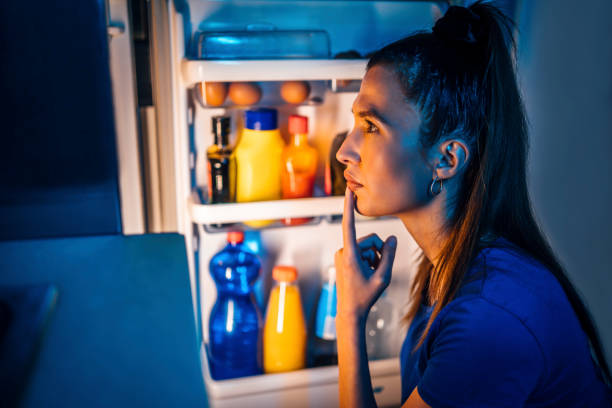
You are lying in bed, the house is quiet, and your stomach starts to growl. Is eating before bed bad, or is a small snack the secret to a better night’s sleep? The honest answer is that it depends on what you eat, how much you eat, and when you eat it. Poor sleep has real consequences, and you can read about them in our guide to the long-term effects of sleep deprivation.
At Gorman Health & Wellness, we help patients in Encino and the greater Los Angeles area sleep and breathe better. Food choices are one small piece of that puzzle. This guide covers the best and worst foods before bed, whether fruit is a smart choice, and how late-night eating can interact with sleep disorders.
Is Eating Before Bed Bad for You?
Not always. If you are asking, “is it bad to eat before bed,” the research points to timing and food quality rather than a hard rule. A light snack can ease hunger that keeps you awake. A large, greasy meal right before lying down can do the opposite.
Why Is It Bad to Eat Before Bed?
When people ask why it is bad to eat before bed, they are usually describing one or more of these problems:
- Acid reflux: lying flat makes it easier for stomach acid to travel up the esophagus, and the National Institute of Diabetes and Digestive and Kidney Diseases lists eating close to bedtime among common reflux triggers
- Active digestion: your body keeps working on a heavy meal when it should be winding down
- Blood sugar swings: sugary foods can spike and then drop your glucose, which may cause nighttime waking
- Extra calories: mindless late-night snacking often adds up without you noticing
- Stimulants: caffeine and alcohol interfere with deep, restorative sleep
When Eating Before Bed Is Actually Fine
Going to bed truly hungry can make it hard to fall asleep. A small snack of about 150 to 200 calories, eaten one to two hours before bed, is usually fine for healthy adults. Aim to finish larger meals at least two to three hours before you lie down.
How Meal Timing Affects Your Body Clock
Your body runs on a circadian rhythm that signals when to be alert and when to rest. Eating late pushes digestion, body temperature, and insulin activity into hours when your body expects to slow down. Eating at consistent times each day helps keep that rhythm steady, which can make it easier to fall asleep. If you work late or overnight shifts, aim to keep meal timing as consistent as your schedule allows.
Worst Foods to Eat Before Bed
If sleep is a struggle, start by trimming this list from your late-night routine.
Spicy and Acidic Foods
Hot sauce, chili, tomato sauce, citrus, and pizza can trigger heartburn. Reflux often feels worse when you are lying down.
Fried and High-Fat Foods
Burgers, french fries, and creamy dishes digest slowly. They sit in your stomach longer and can cause bloating and discomfort at bedtime.
Caffeine and Chocolate
Coffee, tea, cola, and energy drinks are obvious culprits. Dark chocolate also contains caffeine and a related stimulant, so a late-night dessert can keep you wired.
Alcohol
A nightcap may help you doze off, but it fragments sleep later in the night. Alcohol also relaxes the muscles of the throat, which can worsen snoring and sleep apnea.
Sugary Snacks and Large Drinks
Ice cream, candy, and soda can cause blood sugar swings. Drinking large amounts of any liquid right before bed may also send you to the bathroom repeatedly.
Very Large Meals
Even healthy foods can disrupt sleep when you eat too much of them. A large dinner eaten late stretches the stomach, raises the odds of reflux, and can leave you tossing and turning.
Best Foods to Eat Before Bed
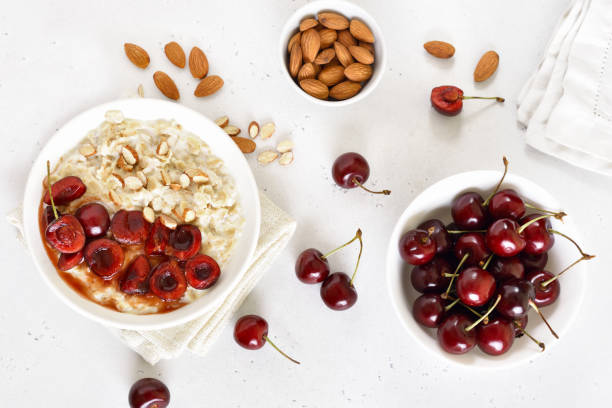
The best bedtime snacks are small, simple, and gentle on digestion. Many pair a complex carbohydrate with a little protein or healthy fat.
- Tart cherries: a natural source of melatonin that some small studies link with better sleep
- Kiwi: some research suggests eating kiwi may help people fall asleep faster
- Almonds and walnuts: provide magnesium and healthy fats
- Oatmeal: a warm, filling option that is easy on the stomach
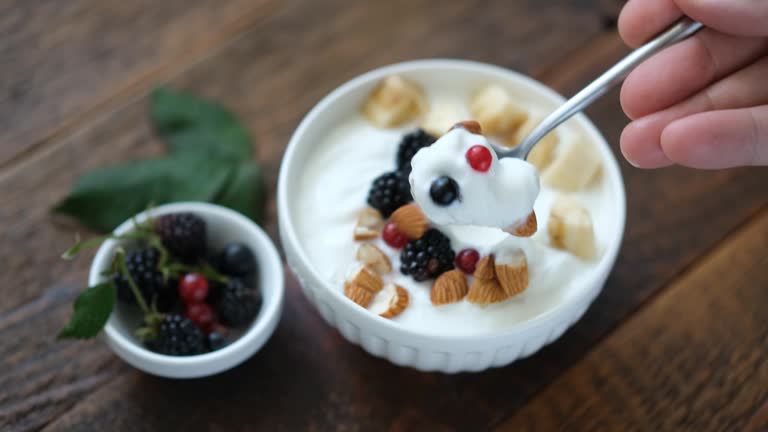
- Plain yogurt: contains protein and calcium, and pairs well with berries
- Whole-grain crackers with nut butter: balanced and satisfying
- Turkey: contains tryptophan, which your body uses to make sleep-supporting chemicals
Keep portions modest. A snack is meant to quiet hunger, not replace dinner.
Eating Fruit Before Bed: Is It a Good Idea?
Eating fruit before bed can be a smart choice, with a few caveats. Fruit is light, hydrating, and full of fiber, which makes it easier to digest than most desserts.
Fruits That Work Well
Bananas, kiwi, tart cherries, berries, and apples are good options. Bananas offer potassium and magnesium, while kiwi and tart cherries have been studied for sleep benefits.
Fruits to Approach With Caution
Oranges, grapefruit, and pineapple are acidic and may trigger reflux. Dried fruit and large servings of juicy fruit are high in sugar, so keep portions small and eat them at least an hour before bed.
How Late-Night Eating Connects to Sleep Disorders
Occasional restless nights are normal. Persistent trouble sleeping may signal one of several sleep disorders, such as insomnia or sleep apnea. Heavy late meals, alcohol, and reflux can worsen snoring and interrupt breathing during sleep. The Centers for Disease Control and Prevention emphasizes that adults need regular, sufficient sleep for good health.
If you snore loudly, gasp for air, or wake up exhausted no matter what you eat, food is probably not the whole story. Our team at Gorman Health & Wellness offers sleep apnea and snoring treatment designed to address the root cause rather than just the symptoms.
Warning Signs That Food Is Not the Real Problem
If you have cleaned up your evening eating habits and still struggle, look for these patterns:
- Loud snoring most nights
- Waking up gasping or choking
- Feeling unrefreshed after seven to eight hours in bed
- Morning headaches or a very dry mouth
- Frequent heartburn at night
- Falling asleep during the day without meaning to
Several of these signs together can point to sleep disorders that need professional evaluation. If they sound familiar, Gorman Health & Wellness can help you understand what is happening and which treatment options make sense.
Simple Rules for Eating Before Bed
Watch the Clock
Finish dinner two to three hours before bedtime. If you need a snack, have it one to two hours before lights out.
Keep Portions Small
Think handful, not heaping plate. A small portion satisfies hunger without overworking your digestion.
Sample Bedtime Snack Ideas
Light and Sweet
A small banana with a spoonful of almond butter, or plain yogurt topped with berries.
Light and Savory
Whole-grain crackers with a slice of turkey, or a small handful of walnuts.
Tips for Managing Nighttime Cravings
- Brush your teeth after dinner to signal that the kitchen is closed
- Sip a warm, caffeine-free herbal tea
- Keep trigger foods out of sight, and plan your snack in advance
- Include protein and fiber at dinner so you stay full longer
- Notice whether you are truly hungry or just bored, stressed, or tired
Take the Next Step Toward Better Sleep
If changing what you eat does not improve your nights, it may be time to look deeper. Gorman Health & Wellness provides non-invasive care for sleep apnea, snoring, and TMJ. Contact our office , and explore more tips in our patient resources.
Frequently Asked Questions
1. Is eating before bed bad for weight loss?
Total calories matter more than the clock. However, late-night eating often leads to extra calories, so a small, planned snack is better than grazing.
2. Is it bad to eat before bed if I am hungry?
No. A light snack is better than going to bed hungry. Choose something small and low in fat and sugar.
3. Is eating fruit before bed okay?
Yes, for most people. Bananas, kiwi, berries, and tart cherries are good choices. If you have reflux, avoid acidic fruits like oranges and pineapple.
4. How long before bed should I stop eating?
Most people do well finishing meals two to three hours before bedtime. A small snack can be eaten closer to bedtime.
5. Can late-night eating make sleep apnea worse?
Heavy meals, alcohol, and reflux can worsen snoring and nighttime breathing problems for some people. If you suspect sleep apnea, get evaluated rather than relying on diet changes alone. The team at Gorman Health & Wellness can walk you through your options.
6. What foods help you sleep better?
Tart cherries, kiwi, nuts, oatmeal, and plain yogurt are popular options. Results vary from person to person, so see what works for you.
