
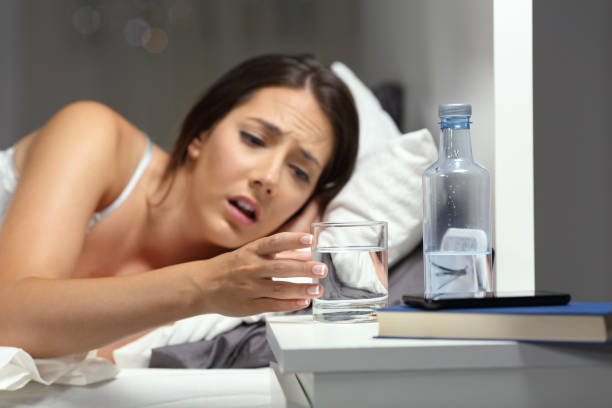
Waking up with a sticky tongue, a scratchy throat, and a mouth that feels like cotton is more than a minor annoyance. If you keep asking yourself, “why does my mouth get dry while sleeping,” the answer may be simple, like a stuffy nose or a glass of wine with dinner. Sometimes, though, a dry mouth at night is one of the first clues that your breathing is being interrupted while you sleep. Sleep apnea and snoring are common, often undiagnosed, and very treatable.
At Gorman Health & Wellness in Encino, California, we treat dry mouth as a symptom worth listening to. In this guide, we explain the most common causes, what you can try at home, and how a WatchPAT sleep study can help you find out whether sleep apnea is behind your symptoms.
Why Does My Mouth Get Dry While Sleeping?
Your body naturally makes less saliva at night, so a little dryness is normal. The problem starts when your mouth hangs open for hours. Air moving across your tongue and cheeks evaporates moisture faster than your salivary glands can replace it. In most cases, the real question is not “why is my mouth dry?” but “why am I breathing through my mouth?” Here are the most common reasons.
Mouth Breathing and Nasal Congestion
Allergies, a deviated septum, enlarged turbinates, and colds can all make nasal breathing difficult. When your nose is blocked, your body switches to mouth breathing without waking you. Over time, this can become an automatic habit, even after the congestion clears.
Sleep Apnea and Snoring
Obstructive sleep apnea happens when throat tissues relax and narrow the airway, causing repeated pauses in breathing. To pull in more air, many people open their mouths wide and breathe heavily, which dries out the tissues. The National Heart, Lung, and Blood Institute notes that untreated sleep apnea can raise the risk of serious health problems, including high blood pressure and heart disease. Dry mouth is rarely the only sign, so watch for these:
- Loud or frequent snoring
- Choking, gasping, or snorting sounds during sleep
- Morning headaches or a sore throat
- Daytime sleepiness, irritability, or brain fog
- Waking up often to use the bathroom
Medications, Alcohol, and Dehydration
Hundreds of medications list dry mouth as a side effect, including some antihistamines, decongestants, antidepressants, and blood pressure drugs. Alcohol and evening caffeine can also dehydrate you. Alcohol relaxes the throat muscles too, which can make snoring and mouth breathing worse.
Underlying Health Conditions
Diabetes, Sjögren’s syndrome, and salivary gland problems can reduce saliva production around the clock. Head and neck radiation can also damage the glands. If your mouth feels dry during the day as well, mention it to your physician.
Why Nighttime Dry Mouth Is More Than an Annoyance
What It Does to Your Teeth and Gums
Saliva washes away food particles, neutralizes acids, and delivers minerals that protect enamel. When saliva drops, bacteria thrive. The National Institute of Dental and Craniofacial Research notes that chronic dry mouth can raise the risk of tooth decay and mouth infections. Patients with nighttime dry mouth often notice:
- New cavities, especially near the gumline
- Red, swollen, or bleeding gums
- Persistent bad breath
- Cracked lips and mouth sores
- Oral thrush, a yeast infection in the mouth
What It May Say About Your Sleep
Dry mouth that shows up alongside loud snoring or daytime exhaustion deserves attention. Fragmented sleep affects your mood, memory, blood pressure, and safety behind the wheel. You can read more in our article on the long-term effects of sleep deprivation.

How to Relieve Dry Mouth While Sleeping
Simple Changes to Try Tonight
- Run a cool-mist humidifier in your bedroom
- Drink water throughout the day and sip some before bed
- Skip alcohol and caffeine in the evening
- Use alcohol-free mouthwash or xylitol-based products
- Try saline nasal rinses if your nose feels stuffy
- Sleep on your side instead of your back
- Ask your doctor or pharmacist whether a medication could be the cause, and never stop one on your own
Professional Treatment Options
If home fixes do not help, treating the root cause matters more than masking the dryness. At Gorman Health & Wellness, Dr. Martin Gorman takes an airway-centered approach that looks at how you breathe, how your jaw functions, and how well you sleep. Depending on your needs, that may include one of the following.
Oral Appliance Therapy
For snoring and mild to moderate sleep apnea, a custom oral appliance gently repositions the jaw to keep the airway open. A more open airway can reduce the need to breathe through your mouth.
Myofunctional Therapy
These exercises train the tongue, lips, and facial muscles to support nasal breathing and a closed-mouth resting posture. Learn more about myofunctional therapy and the Myobrace system.
CPAP Adjustments
If you already use CPAP and wake up dry, air is often leaking through your mouth, or the air lacks humidity. A heated humidifier, a chin strap, or a different mask style may help. Talk with your provider before changing any settings.

When to Get Tested: What Is a WatchPAT Sleep Study?
Consider testing if dry mouth lasts more than a few weeks, or if it comes with snoring, gasping, or unexplained fatigue. Our team at Gorman Health & Wellness can help you decide which testing option fits your situation.
How a WatchPAT Sleep Study Works
A WatchPAT sleep study is a home sleep apnea test. You wear a small device on your wrist, a probe on your finger, and a sensor on your chest while you sleep in your own bed. The device records changes in your pulse and blood flow, oxygen levels, heart rate, chest movement, snoring, and body position. Software then estimates how often your breathing is disrupted each hour, known as the apnea-hypopnea index.
What to Expect on Test Night
- Put on the device at bedtime, following the instructions
- Keep your normal routine and sleep in your own bed
- Remove the device in the morning and return it as directed
- A physician reviews the data and discusses the results with you
WatchPAT vs. In-Lab Sleep Study
An in-lab study, called polysomnography, tracks brain waves, breathing, and muscle activity in a sleep center with a technician present. A home test like the WatchPAT is more convenient, more comfortable, and often more affordable. In-lab testing may be better for people with heart failure, significant lung disease, or suspected non-obstructive sleep disorders. Your provider will recommend the right option for you.
What Happens After Your Results
If testing confirms sleep apnea, treatment can include CPAP, an oral appliance, positional therapy, or lifestyle changes. If your results are normal, we look at other causes of your dry mouth, such as nasal obstruction, medications, or tongue posture. Either way, you leave with answers instead of guesses. Treating the underlying cause often brings relief from dry mouth, snoring, and morning fatigue at the same time, which is why testing is worth considering sooner rather than later.

Take the Next Step Toward Better Sleep
Waking up with a dry mouth every morning is your body asking for attention. Gorman Health & Wellness serves patients in Encino, Sherman Oaks, and the greater Los Angeles area with non-invasive care for sleep apnea, snoring, and TMJ. Contact our office to schedule a consultation.
Frequently Asked Questions
1. Is it normal to wake up with a dry mouth every morning?
Occasional dryness is common, but waking up dry every day is not something to ignore. It often points to mouth breathing, nasal blockage, medication side effects, or sleep apnea.
2. Can sleep apnea cause dry mouth?
Yes. People with sleep apnea often breathe through their mouths to get more air, which dries out the mouth and throat. Loud snoring, gasping, and daytime sleepiness alongside dry mouth are reasons to get tested.
3. Does a WatchPAT sleep study hurt or require a hospital stay?
No. The test is done at home, and the sensors are noninvasive. Most people wear the device for one night and sleep in their own bed.
4. How accurate is a WatchPAT sleep study?
Home tests like the WatchPAT are widely used to diagnose obstructive sleep apnea in appropriate adults, and studies show good agreement with in-lab testing. No test is perfect, so a physician interprets the results alongside your symptoms.
5. What can I do before bed to stop dry mouth?
Use a humidifier, hydrate during the day, avoid alcohol and caffeine in the evening, and clear your nasal passages. If dryness continues, you need to find out why you are mouth breathing.
6. When should I see a doctor or dentist about dry mouth at night?
See a professional if dryness lasts more than a few weeks, if you notice new cavities or gum problems, or if you snore or feel exhausted during the day. The team at Gorman Health & Wellness can evaluate your airway and recommend next steps.
