
How Sleep Apnea Is Diagnosed: What Patients Should Expect
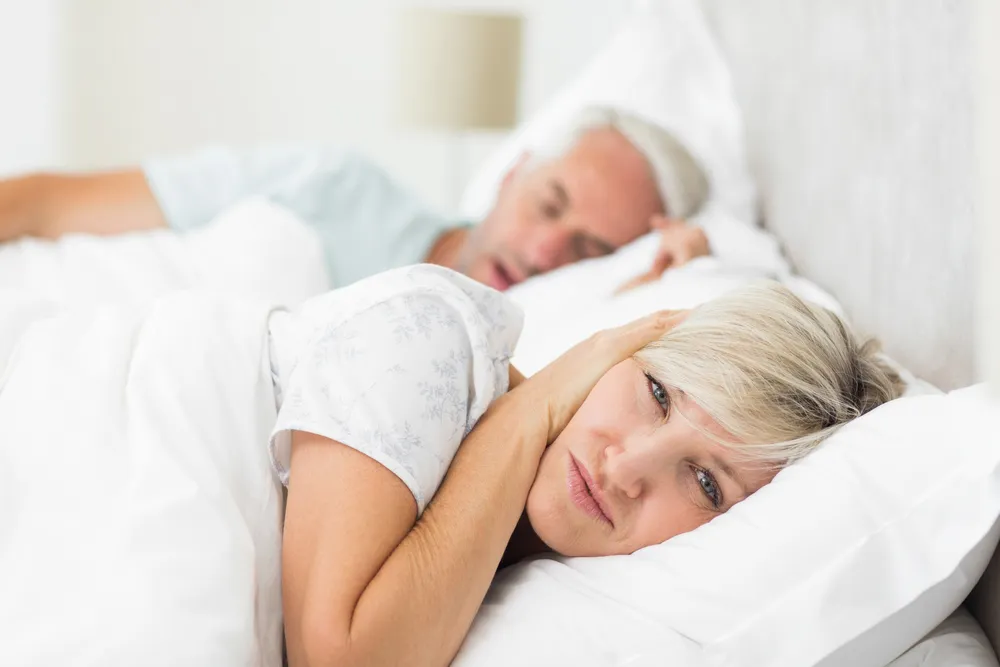
Sleep apnea is a serious condition that often goes undetected for years. Many patients know something is wrong—snoring, fatigue, or poor sleep—but are unsure about the next steps. If you’re wondering how sleep apnea is diagnosed, this guide will walk you through the complete process in a clear, patient-friendly way.
With expert guidance from Gorman Health & Wellness, you’ll understand what to expect, how tests work, and how diagnosis leads to effective treatment.
Why Diagnosis Matters
Before diving into how sleep apnea is diagnosed, it’s important to understand why proper diagnosis is critical.
Sleep apnea affects breathing during sleep, reducing oxygen levels and disrupting rest. Left untreated, it can lead to:
- High blood pressure
- Heart disease
- Diabetes
- Chronic fatigue
- Reduced quality of life
A proper diagnosis ensures you receive the right treatment and avoid long-term health risks.
Step 1: Recognizing the Symptoms
The diagnosis process usually begins with symptom awareness. Many patients seek help after noticing common warning signs.
Common Symptoms Include:
- Loud snoring
- Gasping or choking during sleep
- Daytime sleepiness
- Morning headaches
- Difficulty concentrating
These signs often prompt a visit to a healthcare provider for further evaluation.
Step 2: Initial Consultation
The first formal step in how sleep apnea is diagnosed is a consultation.
During this visit, your provider will:
- Review your medical history
- Ask about sleep patterns
- Discuss lifestyle habits
- Evaluate risk factors
They may also ask if a partner has noticed breathing interruptions during sleep.
Step 3: Physical and Airway Examination
A physical exam helps identify structural issues that may contribute to sleep apnea.
What Doctors Look For:
- Narrow airway
- Enlarged tonsils
- Jaw alignment issues
- Nasal blockages
At Gorman Health & Wellness, dental professionals play a key role in identifying airway-related concerns, which are often overlooked in traditional evaluations.
Step 4: Sleep Study Recommendation
If sleep apnea is suspected, your provider will recommend a sleep study, which is the most important part of the diagnosis process.
There are two main types:
- In-lab sleep study (sleep lab)
- Home sleep test
Both methods measure how your body behaves during sleep.
Step 5: In-Lab Sleep Study (Sleep Lab)
A sleep lab study, also known as polysomnography, is the most comprehensive test.
What to Expect:
- You stay overnight at a sleep center
- Sensors are attached to your body
- Your sleep is monitored throughout the night
The Test Measures:
- Brain activity
- Breathing patterns
- Oxygen levels
- Heart rate
- Eye and muscle movements
Although it may feel unfamiliar, the environment is designed to be comfortable and safe.
Step 6: Home Sleep Test
For many patients, a home sleep test is a convenient alternative.
How It Works:
- You receive a portable device
- You wear sensors while sleeping at home
- Data is recorded overnight
It Typically Measures:
- Breathing rate
- Oxygen levels
- Airflow
Home tests are less detailed than lab studies but are effective for diagnosing moderate to severe sleep apnea.
Step 7: Understanding the Apnea Evaluation
Once your test is complete, the results are analyzed as part of an apnea evaluation.
Key Metrics Include:
- Apnea-Hypopnea Index (AHI): Number of breathing interruptions per hour
- Oxygen saturation levels
- Sleep quality indicators
AHI Categories:
- Mild: 5–15 events per hour
- Moderate: 15–30 events
- Severe: 30+ events
This evaluation helps determine the severity of your condition.
Step 8: Diagnosis Confirmation
After reviewing the results, your provider confirms whether you have sleep apnea and identifies the type.
Types Diagnosed:
- Obstructive Sleep Apnea (OSA)
- Central Sleep Apnea (CSA)
- Complex Sleep Apnea
This step is essential in tailoring the right treatment plan for you.
Step 9: Personalized Treatment Planning
Diagnosis doesn’t end the journey—it begins your path to better sleep.
Based on your results, your provider will recommend treatment options such as:
Common Treatments:
- Lifestyle changes
- CPAP therapy
- Oral appliance therapy
- Surgical options (in severe cases)
At Gorman Health & Wellness, dental-based solutions like oral appliances are often recommended for patients with airway-related issues.
What Makes the Diagnosis Process Easier
Many patients feel anxious about testing, but knowing what to expect can make the process smoother.
Helpful Tips:
- Follow your regular sleep routine before the test
- Avoid caffeine or alcohol before bedtime
- Wear comfortable clothing
- Ask questions if unsure
Understanding how sleep apnea is diagnosed reduces fear and helps you feel more prepared.
Common Myths About Sleep Apnea Diagnosis
Myth 1: It’s complicated and uncomfortable
Reality: Modern testing methods are simple and patient-friendly.
Myth 2: Only severe cases need diagnosis
Reality: Even mild sleep apnea can affect your health.
Myth 3: Snoring alone isn’t serious
Reality: Snoring is often a key warning sign.
When Should You Get Tested?
You should consider testing if you:
- Snore loudly and frequently
- Feel tired during the day
- Experience breathing pauses during sleep
- Have high blood pressure without clear cause
Early testing leads to early treatment and better outcomes.
Final Thoughts
Understanding how sleep apnea is diagnosed empowers you to take control of your health.
The process is straightforward, starting from symptom recognition to sleep testing and final evaluation. With support from Gorman Health & Wellness, patients can expect a clear, guided experience every step of the way.
If you suspect sleep apnea, don’t delay testing. A proper diagnosis is the first step toward restful sleep and improved well-being.
FAQs
1. How is sleep apnea diagnosed?
It is diagnosed through a combination of medical history, physical exams, and sleep tests like a sleep study or home sleep test.
2. What is a sleep study?
A sleep study is a test that monitors your breathing, oxygen levels, and sleep patterns overnight.
3. Is a home sleep test accurate?
Yes, a home sleep test is effective for diagnosing moderate to severe sleep apnea, though it provides less detailed data than a lab study.
4. What happens during an apnea evaluation?
An apnea evaluation analyzes your sleep data, including breathing interruptions and oxygen levels, to determine severity.
5. Do I need to stay overnight in a sleep lab?
Not always. A sleep lab study is recommended for complex cases, while many patients can use home testing.
6. How long does diagnosis take?
The process usually takes a few days to a couple of weeks, depending on testing and result analysis.
