
The Mouth–Body Connection: How Better Breathing Supports a Healthier Heart
A Feeling You Know
You wake to a dry mouth and a heavy sensation in your chest. The room is still, but your heart rate may feel elevated. You swallow against a scratchy throat and wonder if snoring is impacting more than just sleep quality.
You deserve restorative sleep. In the next few minutes, you’ll learn how your airway affects your cardiovascular workload and discover simple, personalized approaches to support both. This information is intended to provide clarity, not alarm, with actionable steps to discuss with your care team. Small adjustments can lead to significant improvements.
The Big Picture: Why Your Airway is Linked to Your Heart
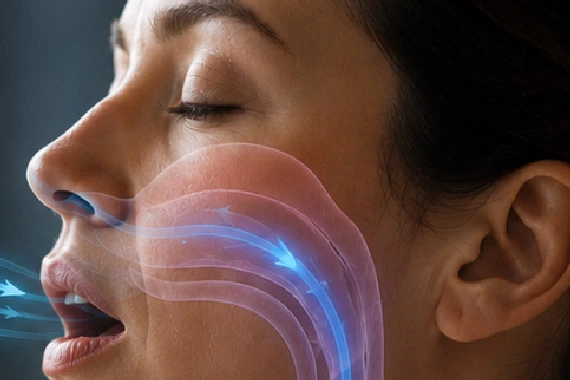
Your airway is more than a conduit for air. Jaw position, tongue posture, and whether you breathe through your nose or mouth influence your oxygen intake during sleep and the restorative quality of your rest.
Here’s the physiological sequence: oral structures affect airflow; airflow impacts oxygen and carbon dioxide balance; these signals influence your autonomic nervous system, which regulates blood pressure and heart rhythm. When your airway narrows during sleep, your body may engage a stress response, increasing demand on your heart.
An integrative approach is beneficial. Addressing airway factors can complement your cardiovascular health management plan with your medical team. You can pursue both paths concurrently.
The Science, Simplified
- Intermittent Hypoxia: Repeated drops in oxygen levels during sleep can elevate stress hormones, increase nighttime blood pressure, and, over time, exert strain on the cardiovascular system.
- Intrathoracic Pressure Swings: Increased effort to breathe against a restricted airway causes greater pressure fluctuations within your chest, affecting blood flow return to the heart and the heart’s workload.
- Inflammation and Vascular Function: Disrupted sleep and reduced oxygen can increase systemic inflammation and decrease the elasticity of blood vessels (endothelial dysfunction), impacting circulation.
- Nasal Breathing Advantage: The nasal passages filter and humidify inhaled air and support nitric oxide production. Nitric oxide aids in blood vessel relaxation. Chronic mouth breathing may diminish these benefits and dry sensitive tissues.
- Subjective Experiences: Morning headaches, significant dry mouth, daytime cognitive difficulties, heart palpitations during sleep, and loud snoring or observed breathing pauses reported by a sleep partner are common indicators.
These physiological responses do not imply personal fault but rather suggest the airway may require supportive interventions.
Signs Your Airway May Need Attention
Nighttime Signals:
- Loud snoring, gasping, or observed pauses in breathing, often noted by a sleep partner.
- Restless sleep, teeth grinding, and frequent nighttime awakenings to urinate.
- Acid reflux, dry mouth, or a sore throat upon waking.
Daytime Signals:
- Morning headaches, cognitive fog, low energy levels, and mood fluctuations.
- Elevated or difficult-to-manage blood pressure, and pronounced midday sleepiness.
- Jaw discomfort, facial muscle tension, or a scalloped tongue edge.
For Children and Adolescents:
- Mouth-open posture, dark circles under the eyes, and restless sleep patterns.
- Challenges with behavior or attention, nighttime enuresis, delayed physical development, and crowded dentition.
A Relatable Scenario (Hypothetical)
Consider Alex, in their late 40s and generally active. Recently, Alex has experienced heavier mornings and a gradual increase in blood pressure. Alex’s partner reports loud snoring and occasional gasping. Mornings are marked by severe dry mouth, jaw soreness, afternoon energy deficits, and sleep tracker data showing disrupted sleep cycles.
Following targeted airway management, sleep quality improves, mornings become clearer, energy levels stabilize, and blood pressure begins to respond more favorably to lifestyle modifications in conjunction with Alex’s physician’s guidance. Individual responses vary; airway-focused care complements overall health strategies and medical recommendations.
How Gorman Health & Wellness Evaluates the Airway–Heart Link
At our Encino practice, serving Los Angeles and Southern California, we approach breathing assessment through a Dental Sleep Medicine framework: practical, thorough, and individualized.
Airway-First Examination:
- Comprehensive medical and sleep history, including details on snoring, daytime functioning, and blood pressure context.
- Advanced imaging, such as Cone Beam Computed Tomography (CBCT), dental impressions, and bite analysis to assess airway dimensions and jaw-tongue relationships.
- Home sleep testing to screen for sleep-disordered breathing patterns.
- Myofunctional assessment to evaluate tongue posture and nasal versus oral breathing habits.
- Temporomandibular joint (TMJ) and craniofacial evaluation to identify contributing structural factors.
Collaborative Approach:
- We coordinate with your physician, cardiologist, or sleep specialist as necessary to ensure a unified and comprehensive care plan.
Gentle, Personalized Paths to Better Breathing and Cardiovascular Support
Custom Oral Appliance Therapy (Non-CPAP Option):
- Engineered to maintain optimal jaw and airway position during sleep.
- Portable, quiet, and often a well-tolerated alternative for individuals who have found CPAP challenging.
Myofunctional Therapy:
- Guided exercises designed to retrain tongue posture, promote nasal breathing, and refine swallowing patterns.
- Can enhance the effectiveness of oral appliances and contribute to long-term stability.
Craniofacial Epigenetics and Pneumopedics® (Case-Dependent):
- Specialized approaches aimed at encouraging favorable airway development and function over time.
- Considered carefully based on individual goals and anatomical configurations.
TMJ-Friendly Solutions:
- We prioritize airway improvement while ensuring occlusal harmony and joint comfort through precise bite and muscle assessments.
Lifestyle Supports for Cardiovascular Health:
- Nasal hygiene practices, such as saline irrigation and humidification, and allergy management in consultation with your medical team.
- Sleep positioning strategies, gradual weight management, regular physical activity, and anti-inflammatory nutrition.
- Strategic timing of alcohol consumption and evening meals to minimize potential for airway collapse.
Our process is designed to be supportive and informative. You will receive clear options, realistic timelines, and consistent guidance.
Noticeable Changes as Breathing Improves
- Enhanced Sleep Quality: Waking with greater clarity, improved focus, and a more stable mood.
- Partner Relief: Quieter nights and a more peaceful sleep environment for bed partners.
- Cardiovascular Support: Improved sleep quality can positively influence blood pressure management and reduce cardiovascular strain, in collaboration with your physician.
Voices from Our Community:
- “He stopped my snoring… sleeping next to a jet engine” → Resulting in a more harmonious household and deeper rest.
- “A holistic understanding of my needs… breadth of knowledge” → Indicating care that addresses the individual comprehensively.
- “The appliance has changed my life… sharper, more present” → Reflecting tangible improvements in daily energy and mental clarity.
Fast Facts and Common Questions
Will an oral appliance directly improve my heart health?
Oral appliances are designed to enhance nighttime airway function. Improved sleep and oxygenation patterns can support cardiovascular health. Your physician will continue to guide medication and specific cardiac care decisions.
How does this differ from a sports mouthguard?
Custom sleep appliances are precision-engineered to manage jaw and tongue positioning for optimal airflow, providing therapeutic benefits beyond dental protection.
What if I had difficulty tolerating CPAP?
Many individuals find custom oral appliances to be a quiet, noninvasive alternative or complementary option. We can assist you in evaluating these choices.
How soon might I notice a difference?
Some individuals report noticeable changes within days to weeks. Structural adaptations and habit modifications can lead to cumulative benefits over several months. Regular follow-up is important.
Do children benefit from airway-focused care?
Yes. Supporting nasal breathing, proper tongue posture, and healthy jaw development can positively impact sleep, behavior, and growth. Our approach with children is gentle and collaborative.
Your Next Step: A Calm Path Forward in Encino
If snoring, persistent fatigue, or challenging blood pressure are impacting your well-being, we are here to help you breathe easier and feel more stable.
Your initial visit will include a thorough discussion, gentle diagnostic imaging as indicated, and the development of a clear, personalized plan. Our focus is on providing care that integrates seamlessly into your life.
Ready to begin? Schedule an airway evaluation at Gorman Health & Wellness in Encino. We will coordinate with your medical providers and offer consistent support throughout your journey.
This article is for educational purposes and does not constitute medical advice. For concerns regarding your heart health or medication, please consult your physician.
All content provided by Gorman Health & Wellness is for informational purposes only and does not constitute medical advice. Treatment decisions should be made in consultation with your doctor at the time of your visit. We adhere to all applicable healthcare regulations and patient privacy laws, including HIPAA, ensuring the confidentiality and security of your protected health information.
For Those Who Appreciate the Research
- Strong evidence links sleep-disordered breathing with hypertension, atrial fibrillation, and increased cardiovascular risk. Optimizing sleep-breathing patterns may support blood pressure management.
- Oral appliance therapy is an established treatment for obstructive sleep apnea and has been associated with improvements in sleep quality and cardiometabolic markers in some patient populations.
- Nasal breathing plays a role in nitric oxide signaling, which supports healthy vascular function. Chronic mouth breathing may limit these physiological benefits.
We are available to share relevant research studies during your visit and tailor insights to your specific health profile.
