
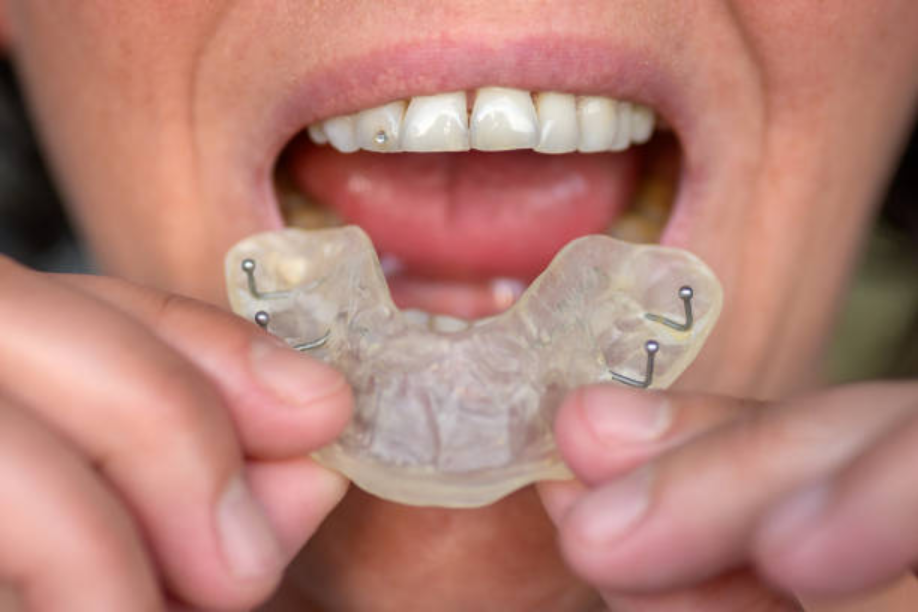
Sleep apnea is a serious sleep-related breathing disorder that affects millions of adults worldwide. Characterized by repeated pauses in breathing during sleep, it can lead to poor sleep quality, daytime fatigue, cardiovascular complications, and reduced overall quality of life. While Continuous Positive Airway Pressure (CPAP) therapy is often considered the gold standard for treatment, many patients struggle with discomfort, noise, mask intolerance, and long-term compliance.
For individuals who cannot tolerate CPAP, oral appliance therapy for sleep apnea has emerged as a proven, comfortable, and highly effective alternative. This dentist-led treatment uses a custom-made sleep apnea oral device to keep the airway open during sleep, offering relief and convenience. Dental sleep medicine now plays a vital role in managing obstructive sleep apnea, especially for patients seeking a less intrusive solution.
Practices such as MG Orman Dental specialize in personalized dental care solutions, including sleep apnea treatments, helping patients breathe better and sleep more soundly without the challenges associated with traditional CPAP machines.
Understanding Sleep Apnea and Its Impact
Sleep apnea occurs when the airway becomes partially or completely blocked during sleep, causing breathing to stop and start repeatedly. The most common form, obstructive sleep apnea (OSA), happens when the muscles of the throat relax excessively, allowing the tongue and soft tissues to collapse into the airway.
Common symptoms include loud snoring, choking or gasping during sleep, morning headaches, dry mouth, poor concentration, irritability, and excessive daytime sleepiness. Left untreated, sleep apnea increases the risk of high blood pressure, heart disease, stroke, diabetes, and workplace or driving accidents.
While CPAP therapy delivers pressurized air to keep the airway open, many patients find it difficult to use consistently. This is where oral appliance therapy becomes a practical and patient-friendly solution.
What Is Oral Appliance Therapy for Sleep Apnea?
Oral appliance therapy for sleep apnea involves wearing a custom-designed dental device during sleep that repositions the jaw and tongue to prevent airway collapse. These devices are small, portable, quiet, and designed for comfort, making them especially appealing to CPAP-intolerant patients.
A sleep apnea device fitted by a qualified dentist is not a one-size-fits-all solution. It is carefully customized based on the patient’s dental structure, jaw alignment, and severity of sleep apnea. Unlike over-the-counter mouthguards, professionally made appliances are clinically proven and FDA-cleared for treating obstructive sleep apnea.
How Oral Appliances Work to Support the Airway
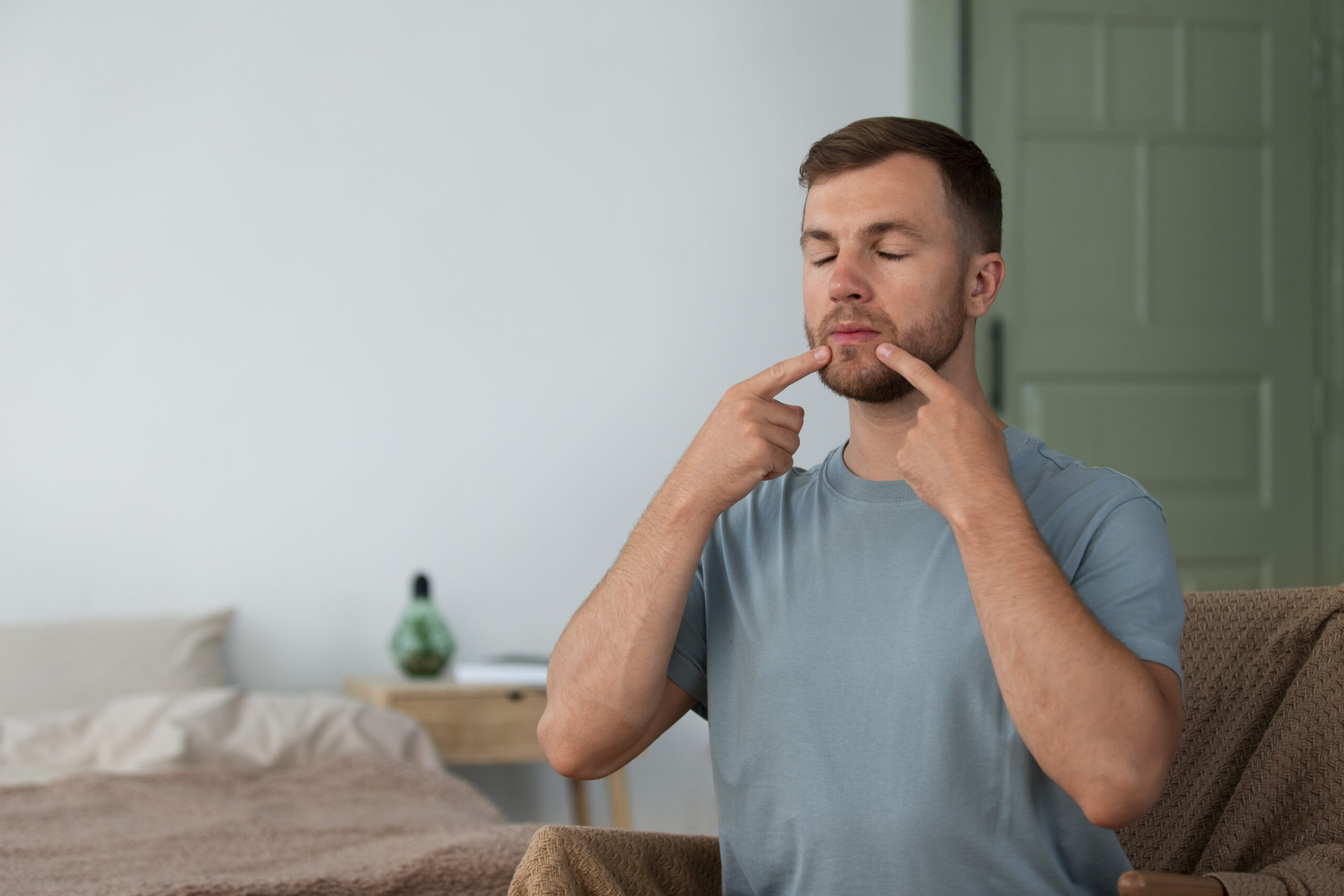
The primary goal of a sleep apnea oral device is airway support. By gently adjusting the position of the jaw and tongue, the appliance prevents the soft tissues at the back of the throat from collapsing during sleep.
Mandibular Advancement Devices (MADs)
The most commonly prescribed oral appliance is the mandibular advancement device. This device holds the lower jaw slightly forward, which in turn pulls the tongue forward and tightens the airway muscles. This increased airway space significantly reduces breathing interruptions, snoring, and oxygen deprivation.
Tongue-Retaining Devices
In some cases, a tongue-retaining device may be used. This type of sleep apnea device holds the tongue in a forward position using gentle suction, preventing it from blocking the airway. These are typically recommended for patients who cannot use a mandibular advancement device due to dental limitations.
Both options are effective when properly fitted and monitored by a dental professional trained in sleep medicine.
Why Oral Appliance Therapy Is an Effective CPAP Alternative
For many patients, CPAP therapy can feel overwhelming. Masks may cause claustrophobia, skin irritation, dryness, and disrupted sleep. Travel and maintenance can also be inconvenient. As a result, compliance rates for CPAP therapy remain lower than ideal.
Oral appliance therapy offers a compelling CPAP alternative with several advantages:
- Comfortable and easy to wear
- Silent operation with no machinery
- Portable and travel-friendly
- Non-invasive and easy to maintain
- High compliance rates among patients
Clinical studies have shown that for mild to moderate obstructive sleep apnea, oral appliance therapy can be just as effective as CPAP when worn consistently. For patients who cannot tolerate CPAP, an oral appliance may be the difference between untreated sleep apnea and meaningful symptom relief.
Who Is a Good Candidate for Oral Appliance Therapy?
Oral appliance therapy is particularly beneficial for CPAP-intolerant patients, but it is not limited to them. Ideal candidates include:
- Patients with mild to moderate obstructive sleep apnea
- Individuals who snore loudly without severe apnea
- Patients who cannot tolerate CPAP masks or pressure
- Frequent travelers seeking a portable solution
- Patients with positional sleep apnea
- Individuals looking for a discreet sleep apnea device
A comprehensive evaluation by a sleep-trained dentist is essential to determine suitability. In many cases, collaboration with a sleep physician ensures accurate diagnosis and optimal treatment planning.
Dental practices offering specialized care, such as sleep apnea and snoring treatments, provide tailored solutions that address both breathing and oral health needs.
The Dental Evaluation and Fitting Process
The success of oral appliance therapy for sleep apnea depends heavily on proper diagnosis, design, and follow-up care. The process typically includes:
Initial Consultation
The dentist reviews your sleep study, medical history, and symptoms to confirm that an oral appliance is appropriate.
Dental Examination
Your teeth, gums, jaw joints, and bite alignment are assessed to ensure the appliance will be comfortable and safe.
Custom Appliance Fabrication
Digital scans or impressions are taken to create a custom-fit sleep apnea oral device designed specifically for your mouth.
Appliance Adjustment
Once fitted, the appliance is gradually adjusted to achieve optimal jaw positioning and airway support.
Follow-Up and Monitoring
Ongoing follow-ups ensure comfort, effectiveness, and long-term success. Periodic sleep studies may be recommended to confirm improvement.
Benefits Beyond Better Sleep
While improved sleep quality is the primary goal, oral appliance therapy offers additional health and lifestyle benefits:
- Reduced snoring, benefiting sleep partners
- Improved daytime alertness and focus
- Lower risk of cardiovascular complications
- Enhanced mood and energy levels
- Better adherence compared to CPAP
Patients often report that oral appliance therapy feels more natural and less disruptive, making it easier to integrate into daily life.
Oral Appliance Therapy vs CPAP: A Practical Comparison
Both CPAP and oral appliance therapy are clinically recognized treatments for obstructive sleep apnea. The choice depends on severity, comfort, and patient preference.
CPAP therapy delivers consistent air pressure and is highly effective for severe cases. However, comfort and compliance remain major barriers.
Oral appliance therapy, while not suitable for every severe case, excels in patient acceptance. For many CPAP-intolerant patients, a mandibular advancement device provides a realistic, sustainable solution that they actually use every night.
Potential Side Effects and How They Are Managed
Like any medical treatment, oral appliance therapy may have minor side effects, especially during the adjustment period. These may include jaw soreness, tooth discomfort, excessive salivation, or temporary bite changes.
With proper fitting and follow-up care, most side effects are mild and short-lived. Experienced dental teams focus on gradual adjustments and patient education to ensure comfort and long-term success.
Learning more about the dental professionals behind your care, such as the team at MG Orman Dental, can help build confidence in the treatment process.
Long-Term Care and Maintenance
A sleep apnea oral device requires minimal maintenance. Daily cleaning, proper storage, and routine dental check-ups help ensure durability and hygiene. Most appliances last several years when properly cared for.
Regular follow-ups allow dentists to monitor jaw health, tooth alignment, and appliance effectiveness, ensuring continued airway support and symptom control.
When to Seek Professional Help
If you experience persistent snoring, daytime fatigue, or have been diagnosed with sleep apnea but struggle with CPAP, it may be time to explore oral appliance therapy. Early intervention can prevent long-term health complications and significantly improve quality of life.
Scheduling a professional consultation through a trusted dental provider or reaching out via a contact page is often the first step toward better sleep and overall wellness.
Conclusion
Oral appliance therapy for sleep apnea represents a powerful intersection of dentistry and sleep medicine. For patients who cannot tolerate CPAP, it offers a clinically proven, comfortable, and effective alternative that supports the airway and restores restful sleep.
By addressing both breathing and oral health, oral appliances empower patients to take control of their sleep apnea in a way that fits their lifestyle. With proper evaluation, customization, and follow-up, this therapy can dramatically improve sleep quality, health outcomes, and overall well-being.
If CPAP has failed you, oral appliance therapy may be the solution that finally helps you breathe easier and sleep better night after night.
Frequently Asked Questions
1. What is oral appliance therapy for sleep apnea?
Oral appliance therapy for sleep apnea is a dental treatment that uses a custom-fitted device to keep the airway open during sleep by repositioning the jaw or tongue.
2. Is oral appliance therapy effective for severe sleep apnea?
It is most effective for mild to moderate obstructive sleep apnea. Some severe cases may benefit if CPAP is not tolerated, under medical supervision.
3. How is a mandibular advancement device different from a mouthguard?
A mandibular advancement device is a medically prescribed, custom-fitted sleep apnea device designed to reposition the jaw, unlike generic mouthguards that do not provide airway support.
4. Can oral appliances replace CPAP therapy?
For many CPAP-intolerant patients, oral appliance therapy serves as an effective CPAP alternative, especially when worn consistently.
5. Are sleep apnea oral devices comfortable?
Most patients find them comfortable after an initial adjustment period, especially compared to CPAP masks.
6. How long does an oral appliance last?
With proper care, a sleep apnea oral device can last several years, depending on usage and dental health.
