
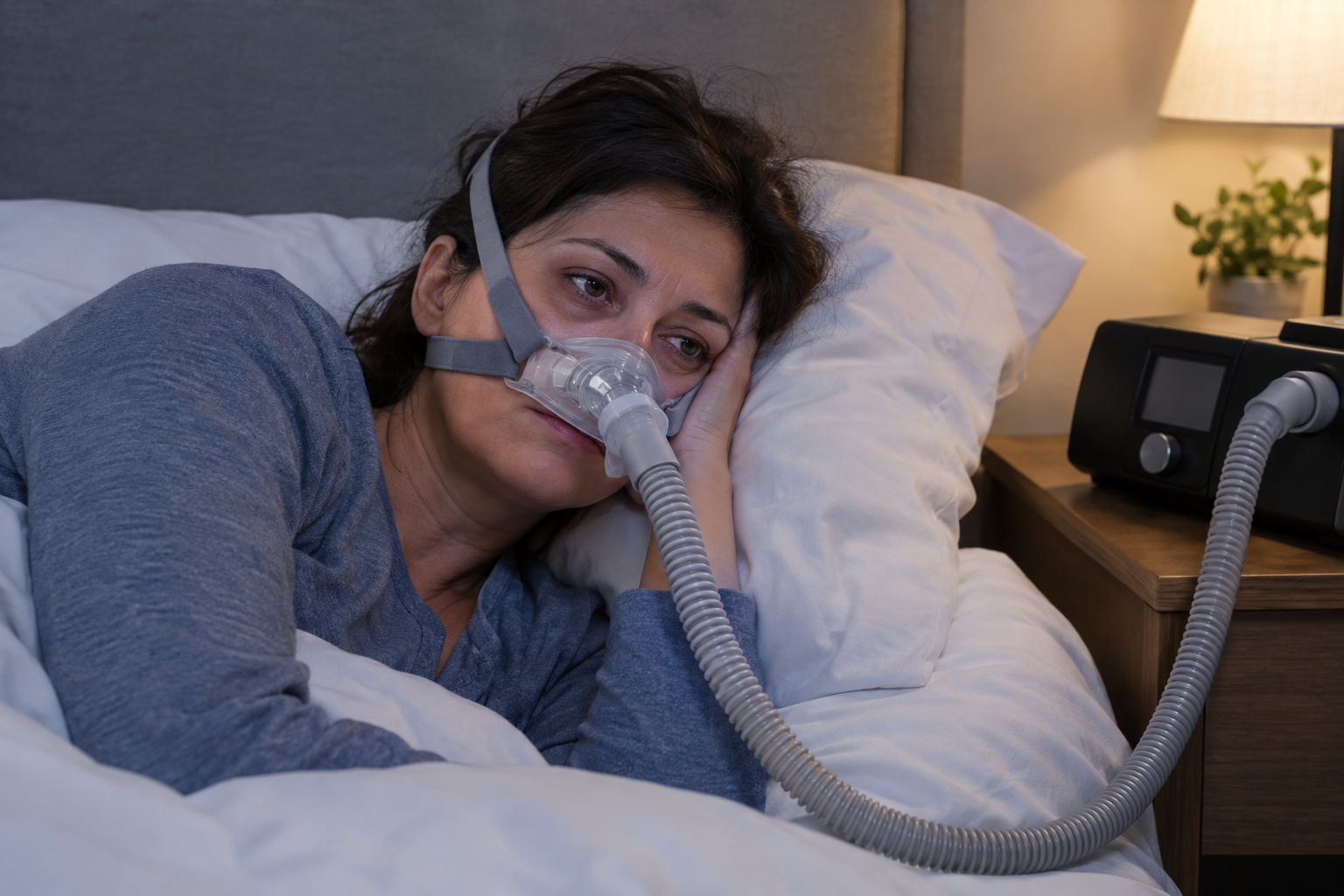
What Happens When Sleep Apnea Goes Untreated?
Sleep is supposed to give your body and brain time to recover. But what happens when your breathing keeps getting interrupted while you sleep?
This is where untreated sleep apnea risks become important. Sleep apnea can cause repeated pauses in breathing throughout the night. Each interruption can disturb normal sleep and place additional stress on the body.
The problem is that many people do not realize these interruptions are happening. They may simply blame daytime tiredness on a busy schedule, while a partner may notice loud snoring, gasping, or pauses in breathing.
Over time, untreated sleep apnea can affect much more than sleep quality. It may influence heart health, blood pressure, concentration, mood, energy, and overall daily functioning.
Gorman Health & Wellness encourages people to pay attention to persistent sleep symptoms and understand when they may require further evaluation.
Understanding the Untreated Sleep Apnea Risks
Sleep apnea is not simply a nighttime inconvenience. When breathing repeatedly stops or becomes restricted, the body responds to changes in oxygen and sleep patterns.
How Breathing Interruptions Affect the Body
During normal sleep, breathing should remain relatively steady. With sleep apnea, the airway may become blocked or breathing may become disrupted.
These interruptions can cause the body to repeatedly shift out of deeper sleep. The result may be fragmented rest and increased stress on systems that should be recovering overnight.
Common symptoms can include:
- Loud or frequent snoring
- Gasping or choking during sleep
- Morning headaches
- Dry mouth after waking
- Frequent nighttime awakenings
- Difficulty staying alert
- Daytime fatigue
- Trouble concentrating
- Mood changes
Not everyone experiences the same symptoms. Some people may have sleep apnea without realizing that their breathing is being interrupted.
How Sleep Apnea Can Affect Heart Health

One of the major concerns associated with untreated sleep apnea involves heart health.
Every time breathing is interrupted, the body may respond by activating its stress response. This can temporarily increase strain on the cardiovascular system.
Sleep Apnea and Blood Pressure
Healthy sleep supports normal blood pressure regulation. Repeated breathing interruptions can interfere with this process.
People with untreated sleep apnea may experience changes in blood pressure, particularly during the night. Persistent blood pressure concerns can place additional stress on the cardiovascular system.
This does not mean that everyone with sleep apnea will develop heart problems. However, the connection makes persistent sleep symptoms worth discussing with a qualified professional.
Why Cardiovascular Health Matters
The heart and respiratory system work closely together. When nighttime breathing becomes repeatedly disrupted, the cardiovascular system must respond.
For this reason, identifying and managing sleep apnea can be an important part of a broader approach to cardiovascular wellness.
Understanding the Connection With Stroke Risk
Another concern linked with untreated sleep apnea is stroke risk.
Sleep apnea may contribute to several factors associated with cardiovascular and brain health, including disrupted oxygen levels and blood pressure changes.
Why Oxygen and Sleep Matter
The brain needs a steady supply of oxygen to function properly. Repeated breathing interruptions can cause temporary changes in oxygen availability.
At the same time, fragmented sleep can affect normal recovery processes. When these problems continue, they may contribute to broader health concerns.
People with existing cardiovascular risk factors should take persistent sleep symptoms seriously and discuss them with an appropriate healthcare professional.
Untreated Sleep Apnea and Mental Health
Sleep and mental health are closely connected. When sleep is repeatedly interrupted, emotional well-being can also be affected.
Mood Changes and Irritability
Poor-quality sleep can make everyday stress feel harder to manage. Some people may become more irritable or notice changes in their mood after consistently disrupted nights.
Sleep deprivation may also make it harder to regulate emotions and maintain a positive outlook during the day.
Sleep and Emotional Well-Being
Persistent sleep problems can create a cycle. Poor sleep may affect mood, while stress and emotional difficulties can make healthy sleep more challenging.
Recognizing this relationship is important. Treating sleep concerns may be one part of supporting overall physical and emotional wellness.
Gorman Health & Wellness focuses on sleep health education because understanding these connections can help people recognize symptoms that might otherwise be overlooked.
Why Persistent Fatigue Should Not Be Ignored
Everyone feels tired occasionally. However, ongoing fatigue despite spending enough time in bed may indicate that sleep is not as restorative as it should be.
How Sleep Apnea Can Leave You Tired
A person with sleep apnea may technically spend many hours in bed but still experience repeated disruptions throughout the night.
This can lead to:
- Low morning energy
- Afternoon sleepiness
- Difficulty focusing
- Reduced motivation
- Slower reactions
- Trouble staying alert
Daytime fatigue can affect work, school, relationships, and everyday responsibilities.
In some cases, excessive sleepiness can also create safety concerns, particularly when driving or performing tasks that require sustained attention.
The Effect on Memory and Concentration
Sleep plays an important role in memory, learning, and cognitive function.
When sleep is repeatedly interrupted, the brain may not receive the consistent rest it needs.
Signs of Cognitive Effects
Someone experiencing disrupted sleep may notice:
- Forgetfulness
- Difficulty completing tasks
- Trouble maintaining attention
- Reduced mental clarity
- Problems remembering information
These symptoms can easily be mistaken for stress or an overly busy lifestyle. However, persistent cognitive changes combined with loud snoring or nighttime breathing problems may warrant further discussion with a sleep professional.
Can Sleep Apnea Affect Daily Life?
The effects of sleep apnea do not stop when you wake up.
Poor sleep can influence how you feel, think, and function throughout the day.
Everyday Challenges May Include
- Feeling exhausted shortly after waking
- Struggling to remain attentive during meetings
- Losing focus while reading or working
- Becoming easily frustrated
- Depending heavily on caffeine for alertness
- Having difficulty maintaining regular routines
Because these effects develop gradually, people may adapt to them without realizing that their sleep could be contributing to the problem.
When Should You Consider a Sleep Evaluation?
Persistent symptoms deserve attention, particularly when several signs occur together.
You may want to discuss your symptoms with a qualified professional if you regularly experience loud snoring, breathing pauses, nighttime gasping, morning headaches, or significant daytime sleepiness.
People searching for a sleep apnea specialist los angeles may be looking for guidance on these symptoms and the next steps in evaluation.
Likewise, someone searching for a sleep apnea specialist encino may want to learn more about local options for understanding persistent nighttime breathing concerns.
A sleep disorder doctor los angeles can also help determine whether symptoms may be connected to sleep apnea or another sleep-related condition.

How Is Sleep Apnea Diagnosed?
Understanding the cause of disrupted sleep is important because similar symptoms can occur with different conditions.
Reviewing Your Sleep History
A professional may ask about:
- Typical sleeping and waking times
- Snoring patterns
- Nighttime awakenings
- Morning symptoms
- Daytime sleepiness
- Existing health concerns
- Sleep position and lifestyle habits
A bed partner may also provide helpful information because some symptoms occur while the individual is asleep.
Sleep Testing
Depending on the situation, a sleep study may be recommended. Testing can provide information about breathing patterns, oxygen levels, heart activity, and other factors during sleep.
The results can help determine whether sleep apnea is present and how significant the breathing disruptions may be.
What Can Be Done About Sleep Apnea?
The appropriate treatment depends on the type and severity of sleep apnea and the individual’s needs.
Common Treatment Approaches
Treatment may involve:
- Positive airway pressure therapy
- Oral appliance therapy
- Positional therapy
- Lifestyle changes
- Management of contributing factors
- Ongoing monitoring
CPAP therapy, for example, uses controlled air pressure to help keep the airway open during sleep. Oral appliances may be appropriate for selected individuals.
Treatment should be based on professional evaluation rather than choosing a device or approach solely because it worked for someone else.
Simple Ways to Become More Aware of Your Sleep
You do not need complicated equipment to begin paying closer attention to your sleep.
Keep a Sleep Journal
Record observations such as:
- Bedtime and wake time
- Nighttime awakenings
- Snoring
- Morning headaches
- Daytime energy
- Difficulty staying awake
If you share your bed with someone, ask whether they have noticed unusual breathing patterns or frequent movement during the night.
Create a Consistent Sleep Routine
A consistent schedule can support healthier sleep habits. Try to maintain regular sleeping and waking times, create a comfortable bedroom environment, and reduce activities that interfere with winding down before bed.
These habits do not replace treatment for sleep apnea, but they can support better overall sleep hygiene.
Why Early Attention Can Make a Difference
One of the biggest challenges with sleep apnea is that symptoms can become part of everyday life.
A person may think, “I have always snored,” or, “Everyone feels tired sometimes.”
However, persistent symptoms should not automatically be considered normal.
Recognizing the untreated sleep apnea risks can encourage people to take recurring symptoms seriously. Early evaluation may help clarify whether breathing interruptions are affecting sleep and overall health.
Gorman Health & Wellness emphasizes the value of awareness because understanding the connection between sleep and health can help individuals make more informed decisions about their care.

Final Thoughts
The effects of sleep apnea can reach far beyond the bedroom. Repeated breathing interruptions may affect sleep quality, energy, concentration, heart health, blood pressure, and mental well-being.
The untreated sleep apnea risks are especially important to understand because symptoms can develop gradually. Loud snoring, nighttime gasping, breathing pauses, morning headaches, and persistent fatigue should not always be dismissed as ordinary sleep problems.
Gorman Health & Wellness encourages people to become more aware of their sleep patterns and recognize when persistent symptoms may need professional attention.
Better sleep starts with understanding what happens during the night. By noticing recurring symptoms, learning about available evaluation options, and discussing concerns with a qualified professional, individuals can take a more informed approach to their sleep and overall health.
Frequently Asked Questions
1. What are the main untreated sleep apnea risks?
The main concerns include disrupted sleep, daytime fatigue, blood pressure changes, cardiovascular strain, cognitive difficulties, mood changes, and factors associated with stroke risk. The impact can vary between individuals.
2. Can sleep apnea affect heart health?
Yes. Repeated breathing interruptions can place additional stress on the cardiovascular system and may contribute to blood pressure concerns. Persistent symptoms should be discussed with a qualified professional.
3. Does snoring always mean someone has sleep apnea?
No. Snoring can have many causes. However, loud snoring combined with breathing pauses, gasping, or significant daytime sleepiness may warrant further evaluation.
4. Can untreated sleep apnea affect mental health?
Poor-quality sleep can contribute to mood changes, irritability, difficulty managing stress, and other emotional challenges. Sleep and mental health can influence each other.
5. When should I contact a sleep professional?
Consider seeking professional guidance when symptoms such as loud snoring, breathing pauses, nighttime gasping, morning headaches, or persistent daytime fatigue continue.
6. What type of doctor evaluates sleep apnea?
A qualified sleep professional can evaluate symptoms and determine whether sleep testing or other assessments may be appropriate. Individuals researching a sleep apnea specialist los angeles, sleep apnea specialist encino, or sleep disorder doctor los angeles can begin by reviewing their symptoms and sleep history.
